



In order to maintain a strong democracy, satire is a tool. Political cartoonists, comedians and satirists work in an environment where everything is taken the same way. Being allowed to express dissent is quickly becoming something dangerous that can put a target on anyone’s back.
What is satire?
Satire is the use of humor, exaggeration, or irony, to expose ignorance and to ridicule those in such a way to bring awareness to issues, usually political issues. Satire is a tool, a watchdog, used to hold politicians and other influential figures accountable for what they say or do.
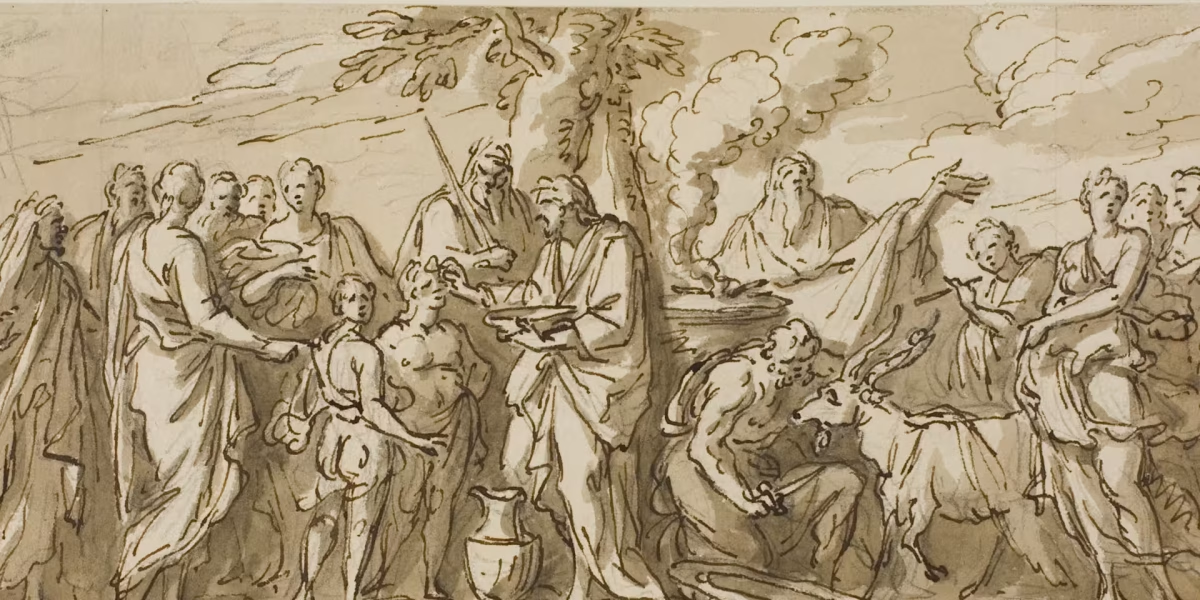
In today’s media-influenced world, satire is an outlet for political literacy, and it is necessary to maintain a true democracy. Although gaining traction more recently with comedians and social media movements, satirical cartoonists have been around for a long time. In the past it’s been a completely reasonable way to bring attention to a political issue. One of the first recorded political cartoons was made during King Louis Philippe’s reign in 1830s France. In order to call attention to the unfair autocracy, journalists had to fight for freedom of press. Since then, political satirists have only continued to call out movements made within the government and that is a completely normal and natural thing to do. It’s only when these outlets are being shut down that we should worry.
Purpose
“Showing that the emperors have no clothes, that’s the task of satire, right? Speaking truth to power. This has always been the historical role of political cartooning.”
This quote from editorial cartoonist Patrick Chappatte illustrates the influential purpose of satire.
Satire shouldn’t be something that people are afraid of. Humor should be used to desensitize topics and spread awareness. Recently, new waves in the media have been affected by politicians being afraid of the truth coming out. This isn’t a matter of right or left, this is a problem with the media being afraid of social media and the general terror of honesty. This is about democracy and its preservation. That’s why people of power hate humor; they don’t understand it.
In the past Presidents like Lyndon B. Johnson have been targeted by satirical humor and he laughed and invited it. Being able to laugh at your own mistakes and learn from them is a skill. The same applies to the government. However, it’s different now.
“Political cartoons were born with democracy, and they are challenged when freedom is.”
Another quote from Patrick Chappatte perfectly explains how historically entwined satire and democracy are. One cannot exist without the other. Putting silly pictures and jokes on controversial political topics is something very human. It’s our way of making sense of something, seeing our thoughts in a form outside of our own heads can make the truth more accessible. Jailing and fining art and jokes shouldn’t be something to be proud of as a country.
In our world
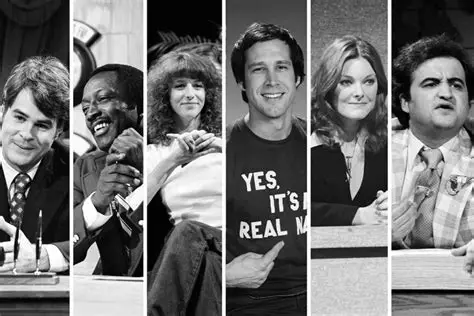
Today, satire is being turned into an entirely different form of media to be taken seriously, meanwhile, that was never its intended purpose. Being a creator of any form of satire of political cartoons is like walking on a minefield, if anything is misinterpreted social media will attack you and the government could even shut you down completely.
“– this show, this show is not important. What is important is that we get to live in a country that allows us to have a show like this. ”
This quote came from Jimmy Kimmel when he returned to the air 3 days ago. He is an example of a modern satirist that was silenced for his comedic critique. His return was an important moment in our media-based culture.
Satire was created to make you think, to challenge your beliefs and form opinions. It should be a debate, not a war.
Satire is supposed to make you feel something, that’s normal, but deciding to draw generalized conclusions from it in a serious manner is laughable. It’s not necessarily the jokes themselves that are important; it’s the freedom that we have to make those jokes that is. Satire is expression, the basis of democracy itself came from the desire to be free, to protect our own rights…such as expression. The cycle goes on and on.
No democracy without satire.
What next?
Keep political satire accessible to all by sharing it and talking about it. Desensitize topics, not normalize them. Keep the conversation open about political topics because to be challenged is to be educated. How will anyone learn anything if they are constantly filling their feeds with like-minded content and opinions that they already have, fighting debates that they already know the outcome to. Political satire is a way to question autocracy in a safe, creative way. Ending satire is nothing short of cowardly.






juliaaa • Oct 1, 2025 at 7:25 pm
Audrey, your article is so good! I love your use of your writing talent to get your point across
Heidi Baker • Sep 29, 2025 at 8:41 pm
Great article on satire’s space in politics. Imagine a world without a sense of humor? We do ourselves a favor when we let go of our Egos a little bit. It’s so important to be able to laugh at ourselves. If a challenge to political cartoons is
“a challenge to democracy itself,” -what of the very facts being distorted- or compiled by misinformation and AI? Great research, quotes and point about biased social media feeds!
Mark W Dixon • Sep 27, 2025 at 12:46 pm
Satire might be the highest form of humor other than Dad Jokes. Satire serves a real purpose in telling truth (or something near truth) to power. It’s always been a revolutionary act, at some level.
Annie Ferreira • Sep 26, 2025 at 7:53 pm
This is a powerful article Audrey! Well written and thoughtful. I like how you show that satire is essential to democracy, and your point that content creation shouldn’t be policed makes the message even stronger. Looking forward to reading more from you!
Karen Calinda • Sep 26, 2025 at 2:35 pm
Great job, Audrey!
Ms. Gallagher • Sep 26, 2025 at 2:34 pm
This is an important conversation to have, and you’ve elucidated it with tact and exceptional skill, Audrey. Never stop writing—you rock!!!
– Ms. Gallagher
Ruby Viens • Sep 26, 2025 at 1:35 pm
beautifully worded. I love how you tied in the concept of democracy, and how it so closely intertwines with satire in your article. I also like how you mentioned early examples of the very first artists who participated in satire.