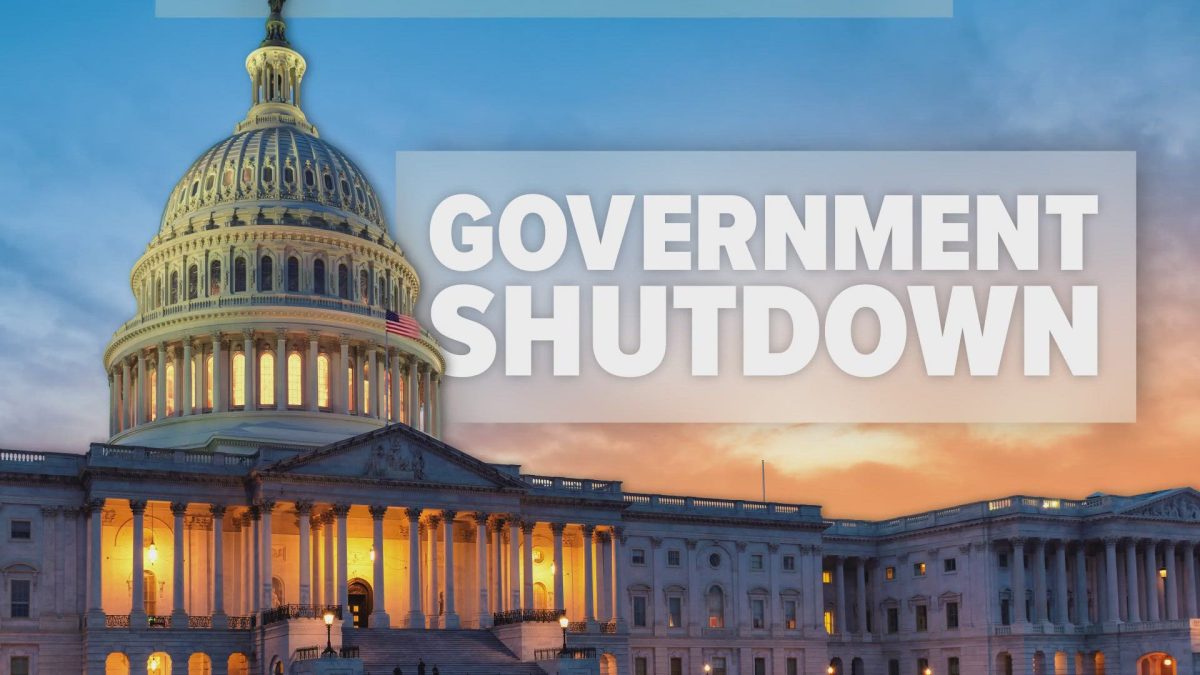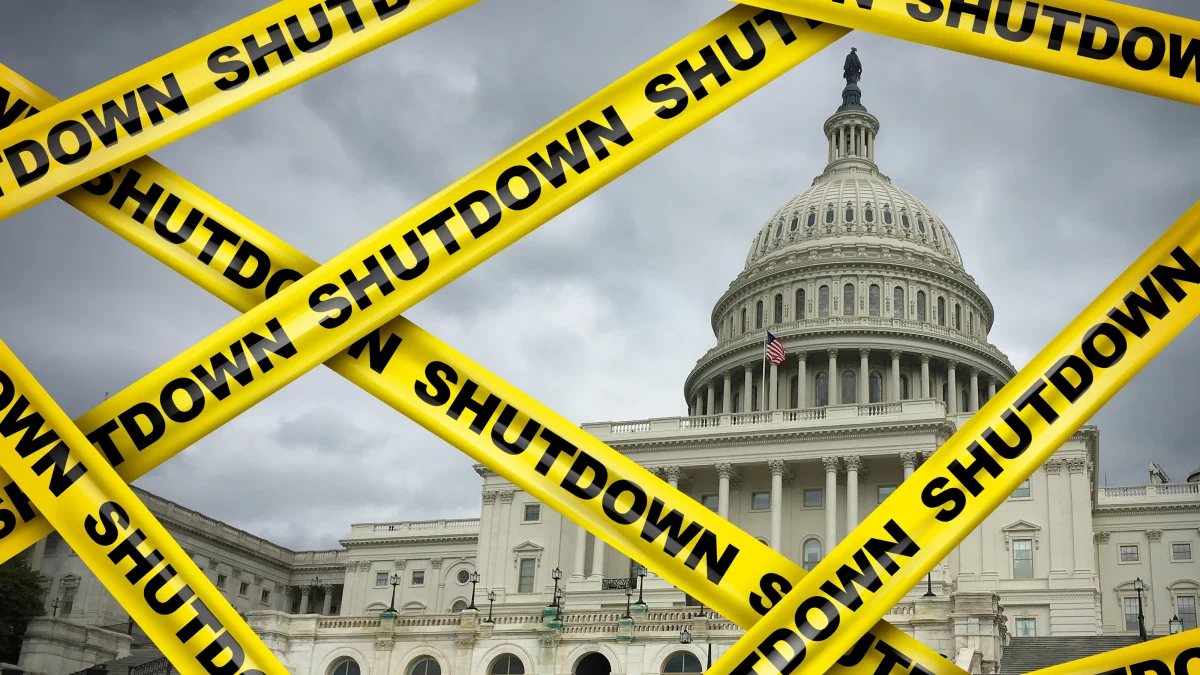
The United States government shutdown finally came to an end this week after President Donald Trump signed a long-awaited federal spending bill into law. The shutdown, which had become the longest in U.S. history, had halted key federal services, delayed paychecks for hundreds of thousands of workers and caused growing concerns across federal transportation services, food assistance and public safety agencies. The bill will restore government operations through January 30, 2026.
The decision to reopen the government followed weeks of tense negotiations between congressional Republicans and Democrats. Lawmakers fought over budget priorities and policy demands, with each side blaming the other for extending the shutdown past expected dates. Luckily, the bill was able to pass by a narrow House of Representatives vote, many Democrats criticized the bill for lacking the security needed for stronger protections for healthcare programs and worker benefits, if this were to happen again, while Republicans argued the compromise was necessary to bring stability back to federal operations.
With the government now reopened, people are looking into what the shutdown would’ve caused in the upcoming months, and what repercussions we may face. Federal employees are returning to work, delayed services are restarting and agencies are addressing the backlogs created during the shutdown. However, both parties are already getting ready to use the shutdown as political messaging, using it as an example for future debates over funding and priorities as the next deadline approaches.