Social hierarchy is a highly influential part of daily life that most of us don’t realize. It’s only when these differences are flushed out in a dramatic TV show, or lives are lost that people tend to notice. Analyzing works of media can allow for empathy and understanding through boundaries that we aren’t able to cross otherwise. Our modern world moves quickly. An ongoing race for technological advancement and political security can lead to revolutionary change.
Making sure we don’t lose who we are in the process is what’s important.
Movies and TV, Today
“Upstairs, downstairs,” is a category and example of TV where the viewer is a fly on the wall, experiencing two parts of society. Most commonly, the servants/the laborers, and the nobles/the rich. This formula has been used countless times. Shows like “Downtown Abbey” seem so far away from our time and so separate from anything we’ve experienced. The levels of education and respect, showcased in its simplest form.
More modern shows like “The Pitt,” a medical drama, showcases the levels of standing for nurses, doctors, and surgeons, as well as patients of all types. Exaggerated or not, these examples from the media have all become widely well known as works of fiction. Stories from a time so far away or so different from our own that what happens inside the screen can’t begin to touch on our lives.
Recently it seems like writers and filmmakers are coming up with increasingly more extreme ways to explain class and political divisions. It seems like everything is a metaphor or should be taken as one.
“The Wizard of Oz” is recognized as one of the most famous political allegories defining populist values. Kids’ movies and fairytales such as “The Jungle Book” or “The Three Little Pigs,” can have much deeper meaning.
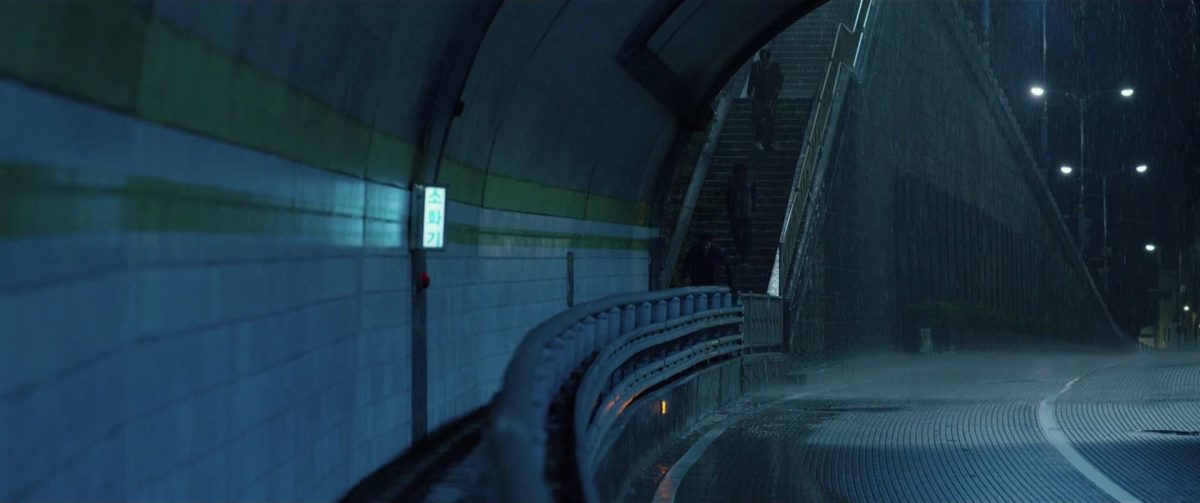
“Mickey 17,” and “Parasite” both from director Bong Joon-Ho bridge the divide between classes in society. In “Parasite,” he goes so far as to use height to show levels of social-economic class in Korea, using flights of stairs and pathways throughout the city to separate the upper class, being physically on the higher part, from the lower class, being deep into the underground of the city.
And everybody knows that rain flows downward.
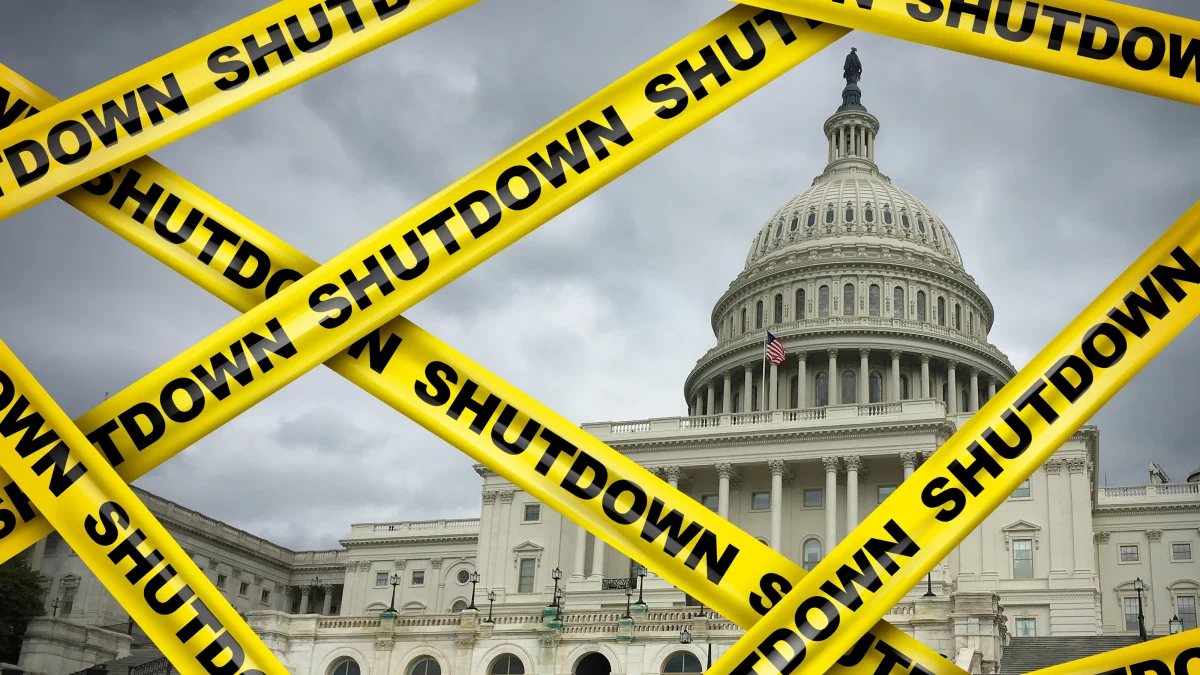
This idea can also be traced back to ancient times of kings and conquering. Kings and nobles would almost always live in a castle on top of a hill. This was the preferred spot for many reasons. For example, from the elevated place they would fight off intruders easier. Also, some ancient kings believed that there they would be closer to God. This method of construction still exists today. The White House is built on a rise as well, just like the Capitol Building.
Building off blockbuster series, “The Hunger Games,” creators tangle with faraway wealth like “The Capitol.” Although these movies use violence and fashion trends to tear apart the partition between classes, questions can still be asked. What gives certain groups such authority? What is the true power of ideas and free thought?
These fantasy, thriller, and period works seem so far away from today’s world. Meanwhile today, wealth classes grow more and more unbalanced, the middle is shrinking and the wealthiest of people could afford more than others could ever wrap their heads around. And, once again, just like on screen, a divide between classes is forcing political polarization and a growing state of aversion between factions across our nation, and the world.
What is Polarization?
Political polarization is when political parties grow more divided due to differing ideologies that extend and deepen small contrasts in moral values and government ideas.
At this time in history more than ever are political parties growing more extreme. Where the parties meet in the middle is getting overpowered by the millions of other places where the parties vastly diverge. This leads to more antipathy, a feeling of indifference, a rejection of compromise between groups in society.
This is obviously a problem. The only people being elected are on extreme ends of the political spectrum. Although these people’s rhetoric aligns with some parts of society, the majority of Americans, a majority of the world, lie somewhere in the middle. This middle is being fractured and is forcing people to pick sides… extreme and isolated sides. Extreme and isolated sides that are turning against each other as we speak.
How Does Polarization Affect Media
The media has taken a noticeable turn in the more recent years. Ideas are powerful. Before, the printing press was the ultimate weapon. Who knew now we’d be bowing to the reel… the film and the Instagram one alike.
Books like “Gulliver’s Travels” (Swift, 1726) and “Candide” (Voltaire, 1759) were used as vehicles for revolutionary ideas. Ideas that would have gotten people at that time in France seriously hurt. Ideas like this are still being spread around the world, today.
There’s just one problem with using novels to dodge censorship: People don’t read anymore.
That doesn’t mean that ideas aren’t being expressed. It means that movies, musicals, and TV shows are now becoming political allegories.
Parallels can be drawn between the world and almost every movie being directed today. Lurking just beneath the surface, under animation or special effects, figures from our world lie, their ideologies being anthropomorphized in Disney, Marvel, or Netflix fashion. Don’t look too hard at “Wicked” or “Superman” unless you want to get your feelings hurt.
Today, people are so divided. Whether than be politically or economically. Understanding one another seems impossible but with media that bridges the gap, that truly tells our story, that is allowed to be created, we are already halfway there.