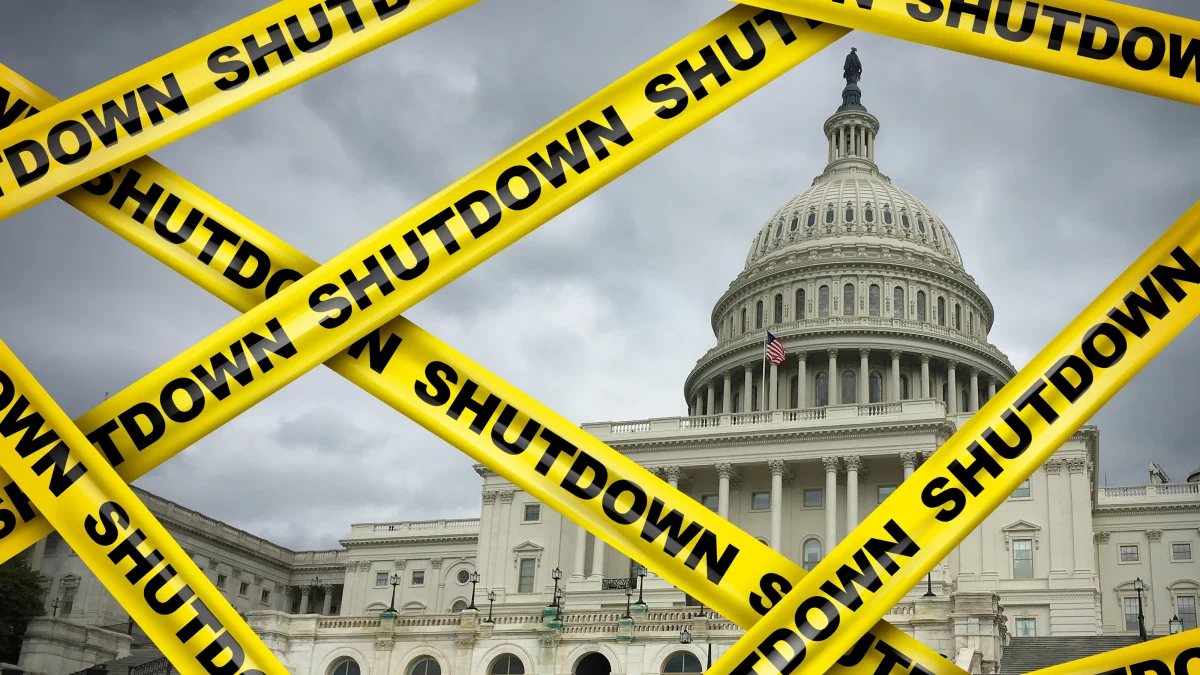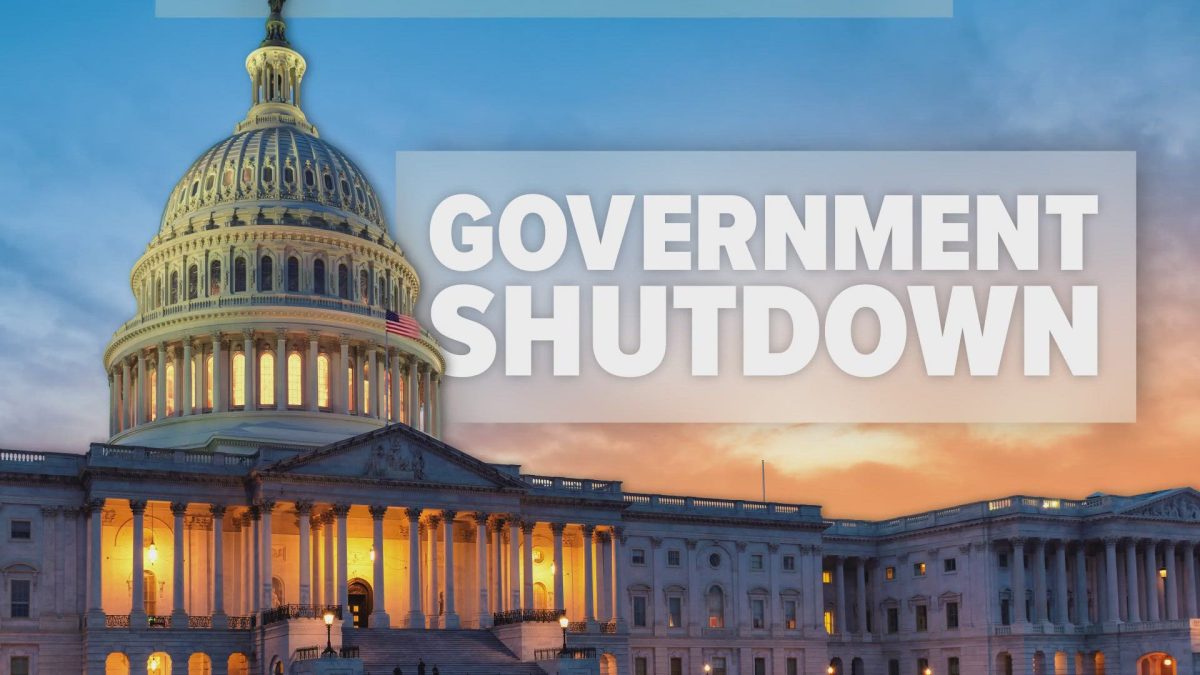
We started the year on a bad foot, with the government already struggling to gather funds. January brought us a disagreement over the general federal budget that led to a three-day government shutdown that affected nearly every agency. Luckily, due to the severity of this shutdown, Congress acted with haste. This led to Congress passing a funding bill that put everyone back to work on paychecks within 72 hours. Now the government shutdown we face, starting on Valentine’s Day of all things, still continues. This is considered a partial shutdown, meaning Congress successfully funded the entire government, except for the Department of Homeland Security. Since the rest of the government like the military, healthcare services, and the postal system is still running, the political effect is not as widespread as the last. Unfortunately, this means that both political parties see the effects of the debate minor, leading to an unresolved stalemate that has now lasted over seven weeks.
This shutdown comes down to a fierce political clash over immigration and law enforcement. After Alex Pretti died during a CBP encounter in January, a tragedy that sparked national outrage, some lawmakers demanded new funding for DHS only if strict oversight measures were included. Their proposals? Body cameras for every border agent, an independent board to investigate use-of-force incidents, and a total revamp of how federal agents identify themselves to the public. One side calls this basic accountability; the other argues it “handcuffs” the very people working to protect the border. And honestly, that core disagreement over what the agency should stand for is why the government still hasn’t budged.
Life as an “Essential Worker”
For over 100,000 DHS employees, being labeled “essential” is a heavy burden. Federal rules say TSA officers, Border Patrol agents, and Coast Guard members have to keep showing up, even when pay isn’t guaranteed. Back in January, the shutdown only cost them a few days’ pay, which got sorted out quickly. But this time is different. They’ve missed multiple paychecks, and now there’s a quiet crisis unfolding at airports and border stations. TSA agents surviving from paycheck to paycheck can’t cover rent or even fill their tanks to get to work. Not to anyone’s surprise, more workers are calling out sick. If you don’t get the joke, it’s not because they’re actually sick, but because they can’t afford the commute if there’s no steady income.
What Causes these Shutdowns
To really get why the government shuts down, you have to know about Congress’s “Power of the Purse.” The Constitution says no money leaves the Treasury unless Congress passes a law. This is through a process called Appropriation. Imagine the federal budget as twelve separate “subscription services” for different agencies. Every year, Congress is supposed to renew them before October 1st. If they don’t, agencies lose access. It starts with the President sending a proposal to Congress, basically outlining how much money each department should get. For 2026, the President asked for border tech upgrades and TSA pay raises, sparking the current fight. Congress splits the budget work among subcommittees. This year, the Homeland Security subcommittee in the House tacked on “riders”, extra restrictions to the funding bill, saying DHS wouldn’t get its money unless it adopted new oversight rules after Alex Pretti’s death. A bill gets drafted, debated, and tweaked in what’s called a “mark-up” session. Then, the House and Senate have to vote on the exact same version. In January’s shutdown, they couldn’t agree on any of the twelve bills; in February, they managed to settle eleven, but DHS was left in limbo. Once both chambers come to terms, the bill goes to the President for a signature or veto.
The Domino Effect
The shutdown started with just one department, but the fallout keeps spreading. Customs processing is slower, so cargo ships wait longer, which means electronics and clothing are stuck in limbo instead of hitting store shelves. On top of that, private companies supplying tech support, cleaning, or equipment to the DHS are seeing their contracts frozen, leading to layoffs in the private sector. In border towns or cities with big DHS offices, local restaurants and shops are struggling too, as federal workers pinch pennies.
“Why Don’t ‘Essential Workers’ Just Leave And Go On Strike?”
When Congress knows they’re out of time, they’ll usually pass a Continuing Resolution; a temporary fix to keep things going while talks continue. This time, the DHS shutdown happened because one side refused to sign an extension unless their reforms got a green light. Here’s why “essential” workers are not allowed to leave their jobs: the Antideficiency Act. It forbids government officials from spending money or making contracts without Congress’s say-so. To avoid breaking that rule, non-essential employees are sent home right away. But there’s an exception! Services that protect life and property have to keep running. So these employees work, but until Congress signs off on a funding law, the government legally can’t pay them.